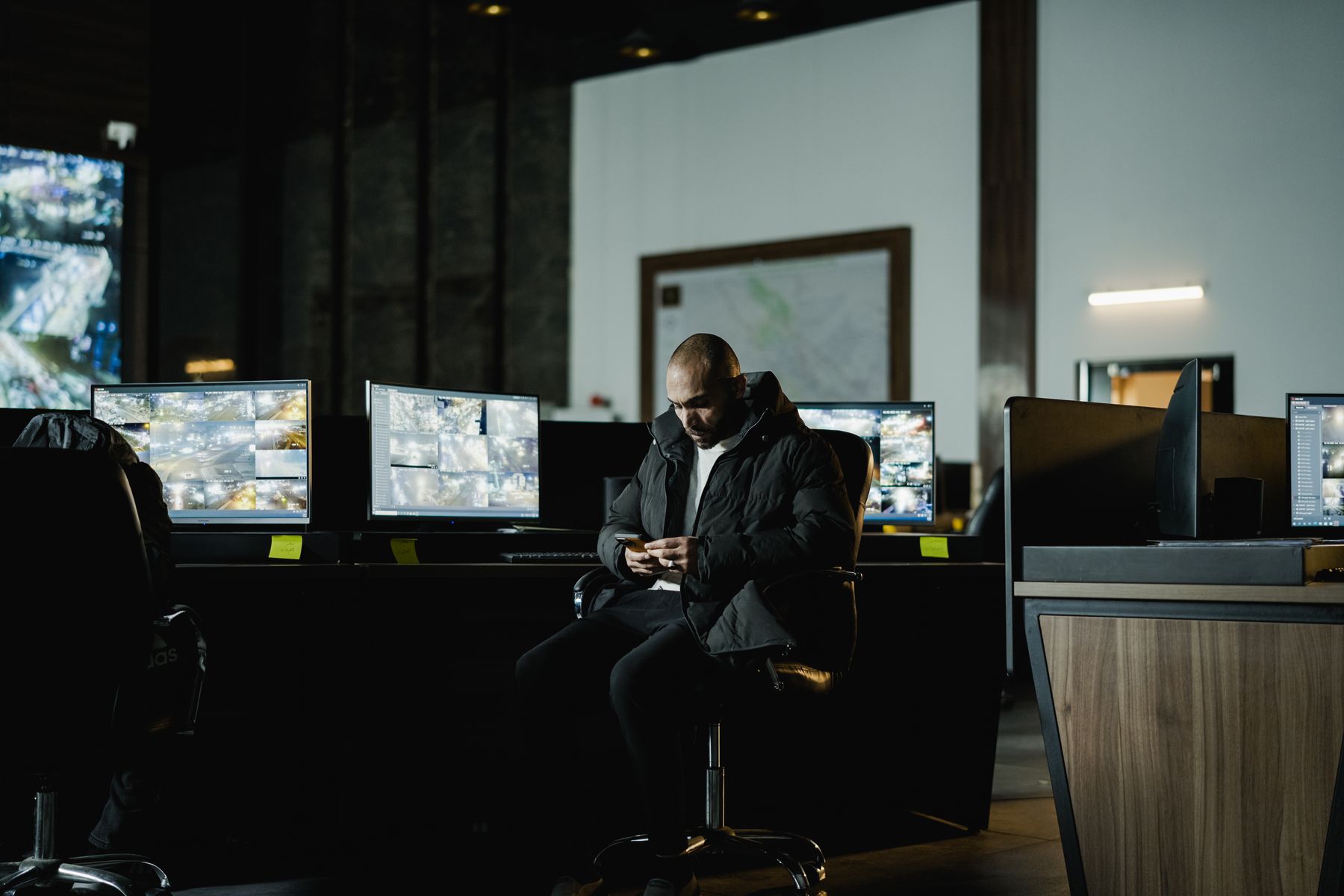
Manned guarding typically runs £18–£28 per hour depending on region and risk, with London and the South East at the top of the range. Door supervisors run £20–£30 per hour for licensed venues. Mobile patrols are priced per visit — commonly £6–£15 per patrol — making two to four nightly visits one of the most affordable professional security options available. Key holding and alarm response usually costs £1–£3 per day plus per-callout fees, and remote CCTV monitoring starts from around £1–£4 per camera per day.
K9 dog handler teams command £25–£40 per hour reflecting the specialist training involved, while close protection is bespoke and typically quoted per day rather than per hour.
Four factors dominate: hours (longer contracts achieve lower hourly rates), risk (high-crime areas and aggressive environments cost more), role (specialist licences like close protection and CCTV command a premium) and geography (London weighting is real). Weekend and night-only contracts cost more per hour than full-time coverage because of staffing economics.
“The gap between a cheap guard and a professional guard is not margin — it is the difference between a deterrent and a liability.”
If a quote comes in dramatically below these ranges, something is being cut — usually vetting, supervision, insurance or the officers' wages themselves. Below-living-wage guarding correlates directly with no-shows, sleeping on shift and officers who disappear at the first sign of trouble. The gap between a £15 guard and a £22 guard is not margin; it is the difference between a deterrent and a liability.
Start with a risk assessment rather than a shopping list. Many sites discover that a blend — patrols plus monitored CCTV, for example — delivers better protection than a static guard at two-thirds of the cost. A professional provider will tell you when you need less security, not more.